
Injury to the long biceps tendon
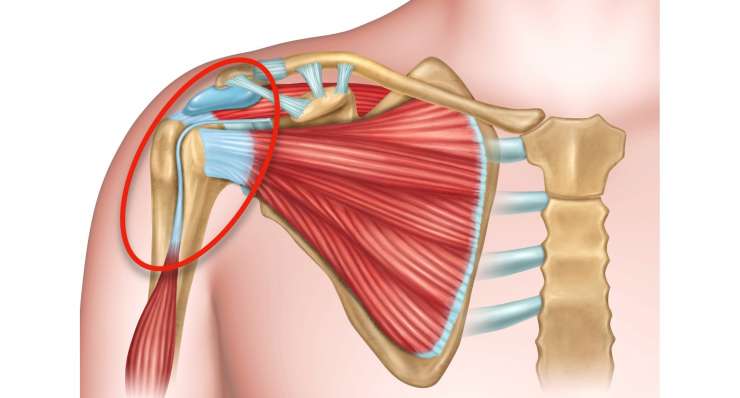
What is a long biceps tendon injury?
A long biceps tendon injury occurs when the tendon attachment (SLAP complex), the soft tissue tendon guide at the sulcus entrance (pulley system), or the tendon itself is damaged or torn. This type of injury can be caused by overuse, repetitive strain, or trauma.
Typical symptoms of a long biceps tendon injury are pain with painful restriction of movement and sometimes noticeable instability of the tendon. The pain is usually localized at the front of the upper arm, but can also radiate to the rear shoulder area. In some cases, the torn part of the tendon can slip down and cause a lump on the upper arm (Popeye sign).
An injury to the long biceps tendon can lead to significant pain and limited shoulder mobility. It is important to see a doctor if such an injury is suspected in order to obtain an accurate diagnosis and appropriate treatment, as SLAP lesions in particular can be associated with secondary damage such as cartilage damage. Early diagnosis and treatment can help prevent long-term damage and speed up recovery.
Medical explanation
Various pathologies of the long biceps tendon can lead to persistent, painful limitations of shoulder function. In addition to chronic inflammation (tendinitis), instability (SLAP or pulley lesion) or (partial) tears of the tendon may occur. If symptoms persist, surgical treatment of the pathology is necessary, whereby the tendon is removed from the joint, thereby eliminating the mechanical irritation. This can be achieved by simple detachment (tenotomy) or refixation of the tendon (tenodesis) further down the upper arm. Numerous studies have failed to demonstrate any significant functional advantages for either technique. For cosmetic reasons, tenodesis is performed to prevent the muscle from slipping (Popeye sign) as far as possible.
In-patient stay
0-2 days
Follow-up treatment
As part of early functional follow-up treatment, the biceps muscle must be relieved of strain for a period of 6 weeks, especially after biceps tendon tenodesis. Heavy activities that strain the biceps should be avoided for 12 weeks. This is also the expected duration of follow-up treatment.
Comprehensive information on other shoulder and elbow conditions and treatment options can be found in the complete range of treatments offered by Prof. Dr. med. Frank Martetschläger.