
SC-Joint Disorders
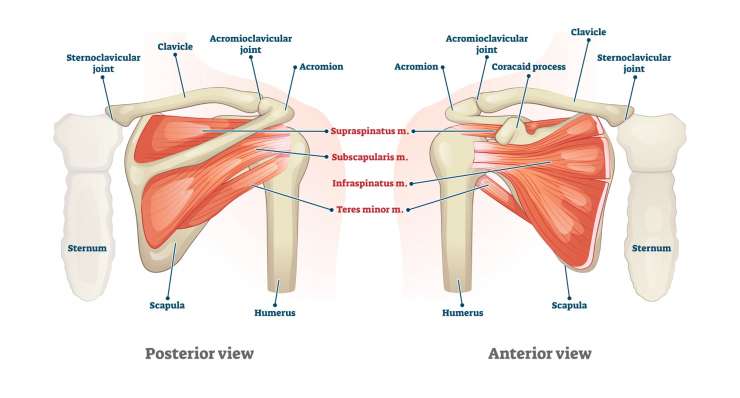
What is SC joint disorders?
An injury to the sternoclavicular joint (SC joint) occurs when the connection between the collarbone and the sternum becomes damaged or unstable. This injury can be caused by trauma, sports injuries, or overuse. Typical symptoms of an SC joint injury include pain, swelling, redness, and restricted movement in the shoulder area. In severe cases, dislocation may occur, in which the collarbone is displaced from its normal position in relation to the sternum. An SC joint dislocation can cause significant pain and restrict shoulder mobility.
It is important to see a doctor if you suspect an injury to the SC joint in order to obtain an accurate diagnosis and appropriate treatment.
Medical explanation
Falls, especially during sports or other high-speed trauma, can cause dislocation of the sternoclavicular joint (SC joint) with damage to the stabilizing ligamentous apparatus. Depending on the severity of the injury, a distinction is made between minor and severe instability of the SC joint. Minor, incomplete instability can be treated conservatively. Severe and, above all, chronic instability is stabilized surgically in order to restore shoulder function and relieve pain.
In open stabilization, a thread-ligament construct together with an autologous tendon (thigh) is inserted between the sternum and the clavicle using small drill channels, thus stabilizing the joint in the correct position again.
In-patient stay
The length of the hospital stay is approximately 2–3 days.
Follow-up treatment
During the first 6 weeks after surgery, the arm is immobilized in a sling and mainly passive physiotherapy is performed. After 6 weeks, the range of motion is increased, with the focus on active mobilization. The shoulder may only be fully loaded again after the 12th week. A return to high-risk and contact sports is advisable after 4-5 months.
Comprehensive information on other shoulder and elbow conditions and treatment options can be found in the complete range of treatments offered by Prof. Dr. med. Frank Martetschläger.